

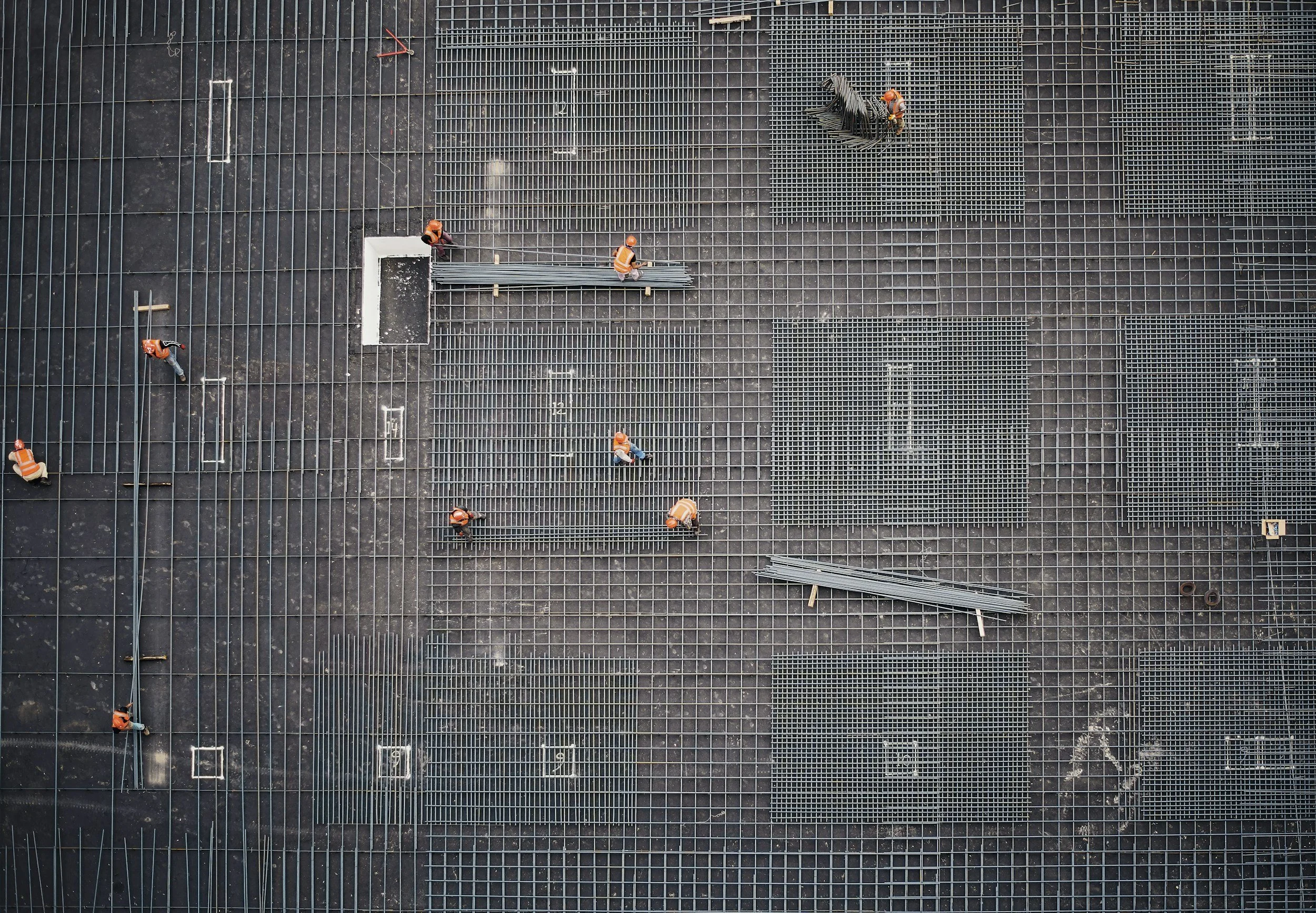
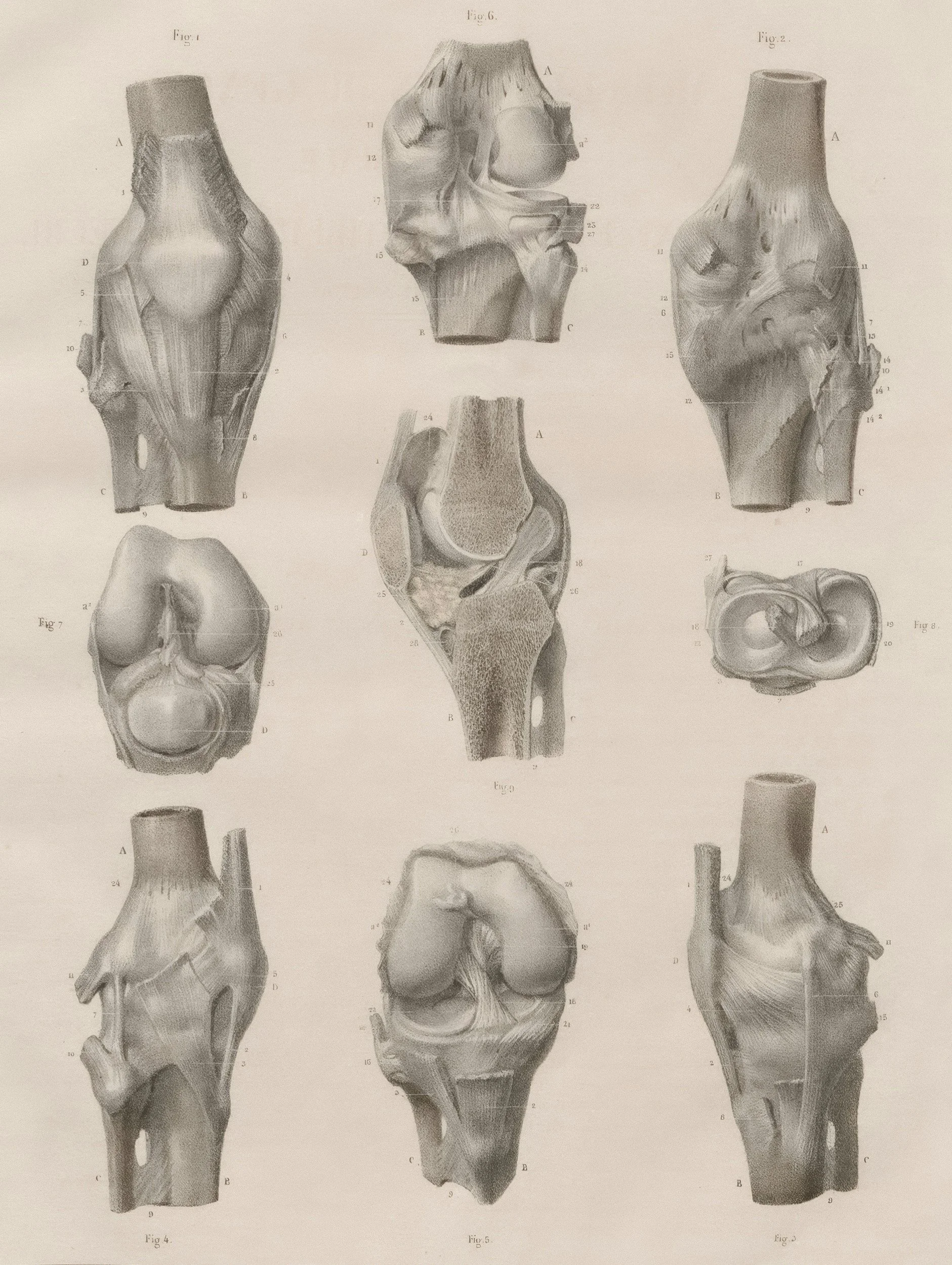
Convex vs Concave
The interesting aspect of this framework is not necessarily the rigidity of the rules, but that the shape of a joint aids in understanding how it moves. Our entire body is structured this way.
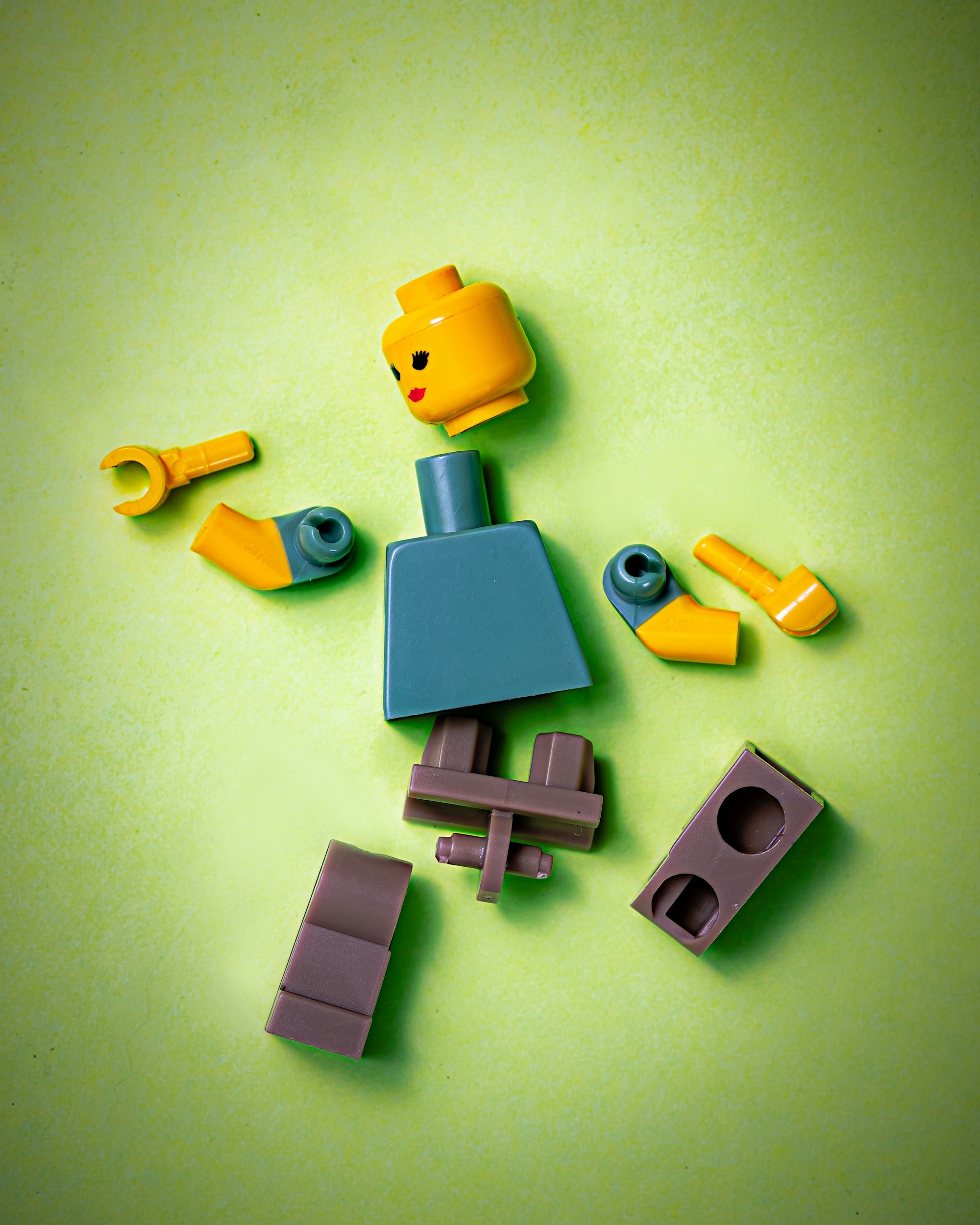
Pliable Legos
Our bodies are composed of parts, all connected and somewhat pliable in their nature. If we create a change in one place, a domino effect develops and all other regions respond accordingly.


Efficiency
Rotation seems to be one of the most effective and efficient ways to absorb and produce energy.

A Chain of Events
As coaches we have a number of interventions available to us that can positively influence our client’s abilities. Whether it be manually applied or through exercise, considering the chain of events from top to bottom gives us the best opportunity to deliver a favorable change.

Adaptability
Performing the same activities repeatedly allows for greater efficiency, however to be able to find new solutions to common problems we need creative, adaptable bodies.

Doorway Pec Stretch
Stretching can have a place in a fitness or rehab program. Our interpretation of what is stretching needs refined, as well as the locations of the mechanisms at play.

The Tailbone
Pain in the lower back can often be described by clients as a pain in their tailbone. Typically, when clinicians hear this, we think of the coccyx, the last segment of the spine. However, clients might point to their sacrum, the much larger triangular shaped bone just below the lumbar spine.
As practitioners we should be specific about which region we want to address. These two anatomical regions differ in their construction and that affects how we make decisions regarding their programming/movement prescriptions.


Stand Up Straight
The solution to the problems with quasi-static, prolonged positions is developing greater adaptability.


On Form
As an example, if someone has limited mobility at the level of the hip, performing a deep squat is most likely going to involve some degree of compensation. That compensation may show up in any number of places, but identifying the limitations in mobility prior to programming an exercise is critical in developing higher levels of performance.

Collision Mechanics
The interactions we have with the external world change the shape of our bodies, and that shape change is what permits our mobility.

Slant Boards
Elevate the heels and slow the center of gravity, if the toes get elevated we are hitting the accelerator. Both can be useful strategies, but the context determines which activity is most appropriate for the person in front of us.

Toe Spreaders
If a client of mine wants to know whether or not to wear toe spreaders, we take a look at their foot position. If they have a flat foot, and toes are more spread apart, their need for toe spreaders is most likely low. The person with a higher arch and toes close together, or more likely a candidate for toe spreaders with a better outcome.

The Thoracic Spine and Shoulder Mechanics
The shape of the thoracic spine has a huge influence on the movement of the shoulder. Certain shapes allow for particular motions, and altering the shape as needed is what we might consider adaptability. The greater your ability to adapt, the more capable you are.

Spinal Flexion
Flexing your spine under heavy load is most likely not ideal, and can certainly have consequences, however it is not a hard and fast rule.

Anti-Pronation
Pronating is a normal movement pattern for any foot, in fact, pronation must occur somewhere as we move.