

Stagnation
Austin U Austin U

Stagnation

We were made to move, that’s why we have all of the joints we have, and down to their microscopic structure it becomes very evident that stagnant states do not survive.

Read More
The Rotator Cuff
Austin U Austin U

The Rotator Cuff

The rotator cuff is an area of intense interest for those with shoulder problems, and those four muscles do play a large role in mobility of the arm. The mechanics may go deeper than any of us actually realize, but with some degree of certainty, it goes well beyond simply making those muscles larger via isolated exercises. The body is a vastly interconnected network, if we can alter some pathways it may allow for more desirable capabilities.

Read More
Scar Tissue
Austin U Austin U

Scar Tissue

Scar tissue is a normal aspect of healing, it will most likely forever change the dynamics of the area, but not necessarily in a limiting way. The scar typically is less capable than the original, but nearby tissues can respond to those changes by increasing their capabilities to make up for the injured area.

Read More
Atlas Shrugged
Austin U Austin U

Atlas Shrugged

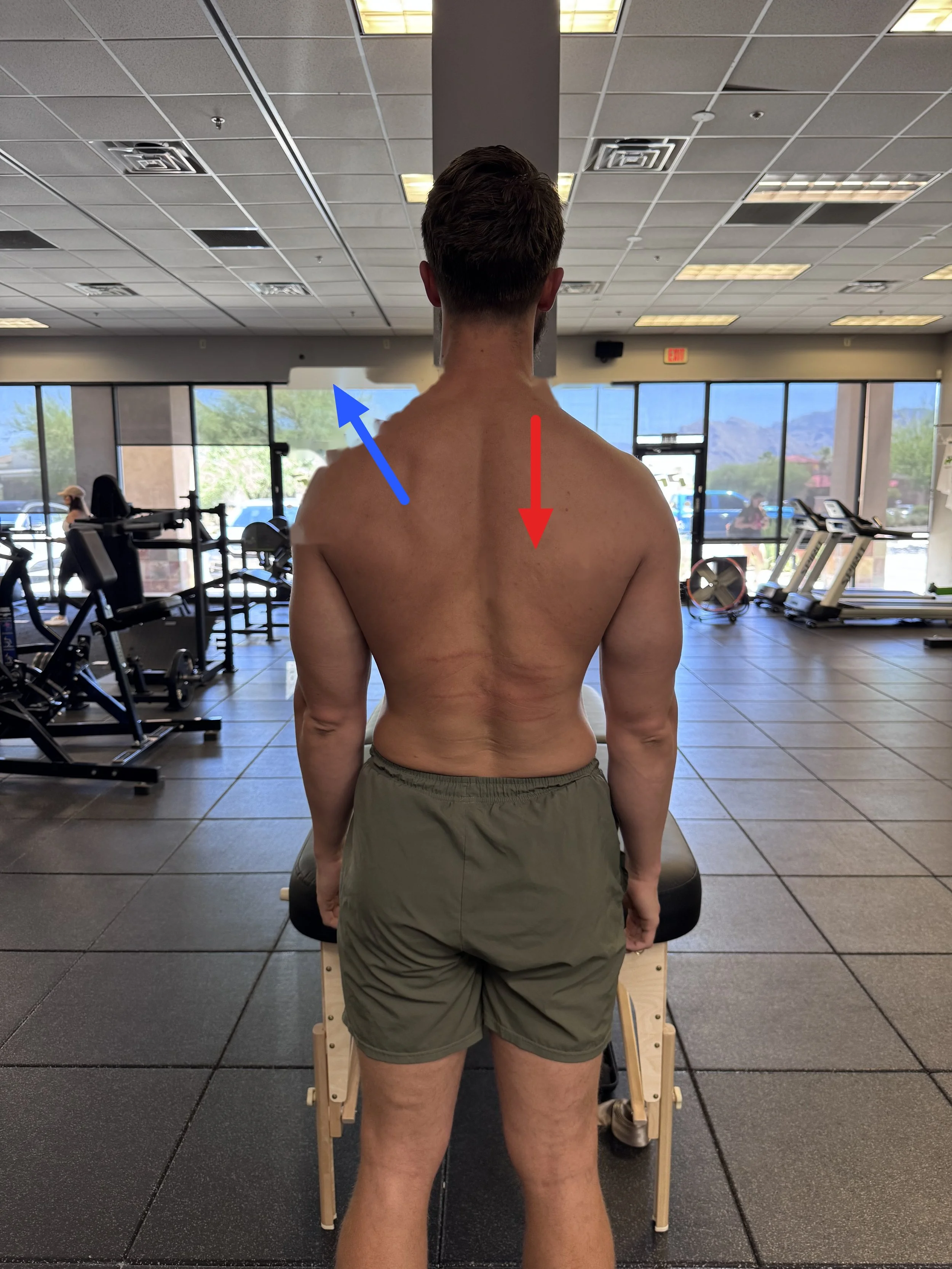
Shrugging during an upper body exercise is a common compensation that is recognized by most movement specialists as a weakness issue. Typically associated with rotator cuff deficits, the shrugging motion is created to elevate the arm when there is a significant tear in the cuff. That compensation is also noted when there is no known rotator cuff pathology, however the same thought process is applied and may be underappreciating the complexity of the issue at hand.

Read More
Homework
Austin U Austin U

Homework

Homework is important, it provides the necessary input to make changes in how you move. Consistency is crucial, however there are times when it just doesn’t get done and that’s okay. We all have busy lives, sometimes homework gets put on the back burner. When that happens, it is an opportunity to re-evaluate the assignment and find something more useful. Something that meets you where you are and teaches you what you want to learn.

Read More
Perfection
Austin U Austin U

Perfection

Perfect doesn’t exist. All too often we seek the perfect exercise, or the right way to move to get the perfect outcome with the unfortunate realization that it is always out of reach. Attempting to better yourself and learning how to move differently is a worthwhile cause that may improve your capabilities, but perfection will remain elusive.

Read More
Phases
Austin U Austin U

Phases

It is the things within the environment that are unexpected that we pay attention to. This is also usually the case with injuries and/or pain. We tend to go about our daily life not noticing particular body parts, until they hurt, then they have a captive audience.

Read More
Plantar Fasciitis
Austin U Austin U

Plantar Fasciitis

Plantar fasciitis, like many other movement related issues, can often be due to a global movement strategy placing focal pressures on one tissue. Altering how we move systemically can pay huge dividends in removing those pressures and restoring tissue health. Finding those alterations is where a good coach comes in.

Read More
Process
Austin U Austin U

Process

A consistent process provides a reliable environment for learning and growth. It allows for the development of data collection and then the reflection on that data to make better decisions going forward. As a physical therapist I operate with a process-oriented approach to address patient’s issues week in and week out. My patients will tell you that they also have a process, one that requires the application of effort in order to move differently and get where they want to be.

Read More
Unilateral Exercise
Austin U Austin U

Unilateral Exercise

During unilateral activities, like a lunge per se, we mimic the mechanics involved in walking more effectively. The lead leg is absorbing most of the force from the ground, while the trailing leg is pushing off. This asymmetry might, in fact, create a rotational element through the entire body. That rotation could be what keeps tissues healthier and more adaptable over the long-term.

Read More
A Wrinkle in Time
Austin U Austin U

A Wrinkle in Time

Wrinkles happen to all of us given enough time. Aside from our notions about them aesthetically, they pose no harm. We develop them as our movement tendencies evolve throughout our life. As a physical therapist they provide me with evidence for how a patient may be getting around and how I may be able to solve their movement-related issue.

Read More
If the Tail Wags the Dog
Austin U Austin U

If the Tail Wags the Dog

Traditionally we look at different aspects of anatomy from a myopic point of view and reduce each segment as much as possible to learn of its role in the system. There are times when we zoom back out and look at the forest for the trees, and when this happens we have the opportunity to see how small changes can make big impacts. This is where we can see if it happens to be the case that the tail may be wagging the dog.

Read More
Lats
Austin U Austin U

Lats

Lats are often one of the primary targets when performing back work at the gym and for understandable reasons, they look great in the mirror. Just like with almost anything else, training yourself to do something comes at the expense of something. In this scenario, larger and more active lat muscles reduce motion at the thorax and the arms due to greater trained stiffness.

Read More
Sourdough
Austin U Austin U

Sourdough

Imagine that dough for a minute. If you poke it once with firm pressure there is an indentation, but once you release your pressure the dough returns to its original shape.  However, leave that pressure in place for an hour, and the dough molds itself around your finger and there is a new shape that wasn’t there initially. The elastic nature of the dough stored the information from the pressure and managed it by changing its shape. Collagen does the exact same thing.

Read More
High Arches
Austin U Austin U

High Arches

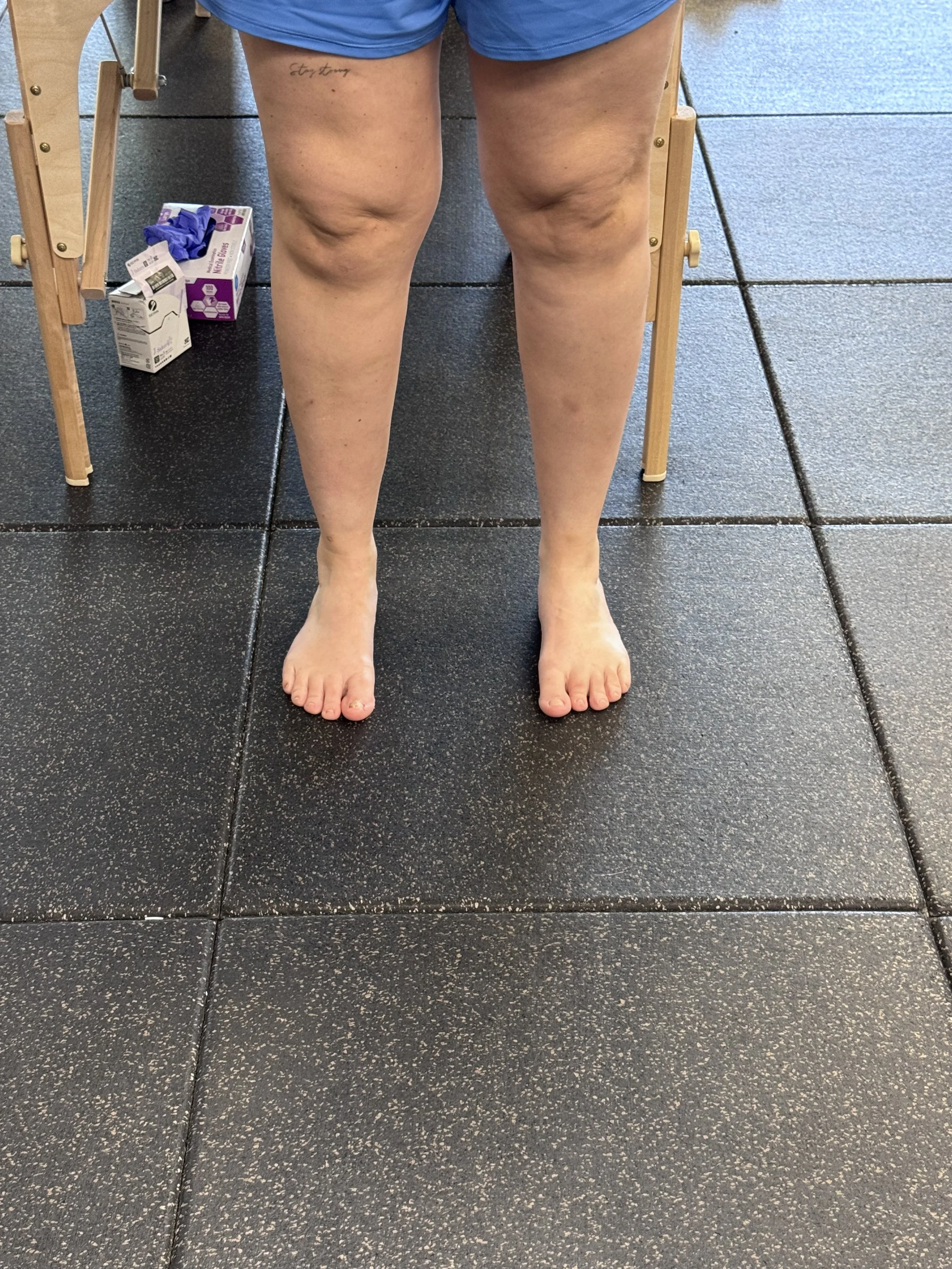
A high arch is a tell. It reveals where the body puts force down into the ground and aids in identifying global movement strategies. Once known, exercises and movements can be prescribed to shift the center of gravity in a way that reduces the arch height and promotes greater accessibility to alternative positions. A flat foot and a high arch are not problematic in their own right; in fact they are necessary aspects of walking. If they become the sole mode of movement in the foot, that is when issues can arise.

Read More
Exercise Selection
Austin U Austin U

Exercise Selection

Exercises, whether it be for fitness or rehab, contain a ton of information. The decision to perform each movement has rationale and monitoring the performance of movement provides clarity on what comes next. Providing clients with the perfect single exercise is a challenge, and sometimes impossible. We need context and sufficient detail to make the best decision we can in a given circumstance.

Read More
On Posture
Austin U Austin U

On Posture

Posture is one of those words that comes up often during conversations with clients. It is blamed for many ailments and often described as being “poor”. We all tend to seek a position that is least energy demanding. One thing that goes overlooked is that our posture is ever changing. The position we find ourselves in is not a static one, we are always adapting, always evolving.

Read More
Impingement Syndromes
Austin U Austin U

Impingement Syndromes

We may need to think deeper about the process of impingement. It may be a compensatory movement, however restoring motion of these regions via activities like box squats, concentration curls, or reverse sled drags could be potential solutions. Making space for the movement is key.

Read More
Hold’em or Fold’em
Austin U Austin U

Hold’em or Fold’em

We are all made mostly of water, followed by protein in the form of collagen. Those are the primary ingredients. The latter, collagen, is the shape of a triple helix like that of a braided rope. One of the qualities of proteins is that they are capable of unfolding, meaning they change their shape from a 3-D helix to a more two-dimensional, flat structure. That shape change may be what allows for cells to do important things like send electrical signals. One interesting pattern is that although this happens way down inside our cells, there looks to be the same pattern present on the macroscale of our movement.

Read More
Split Squats, Foot Position and Energy
Austin U Austin U

Split Squats, Foot Position and Energy

Clients often want to know which exercise they should perform to stay healthy and avoid injury or re-injury. There is never one exercise to rule them all, but a lot of times activities that involve just one arm or one leg at a time can be helpful in avoiding the pitfalls of typical gym-based injuries. This can be a host of different exercises, but some common ones include landmine presses, split squats, concentration curls, etc. The unilateral nature of these activities promotes mobility in and of itself, however mechanics still matter.

Read More